Source Jump Starter Cylindrical Battery for Cars, Trucks, and Motorcycles
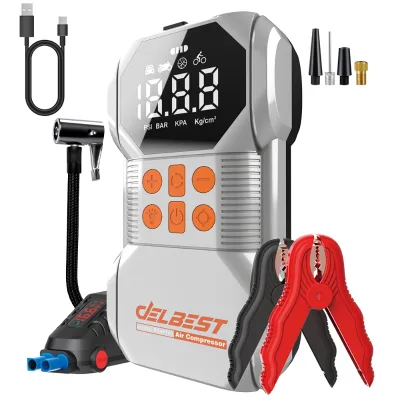
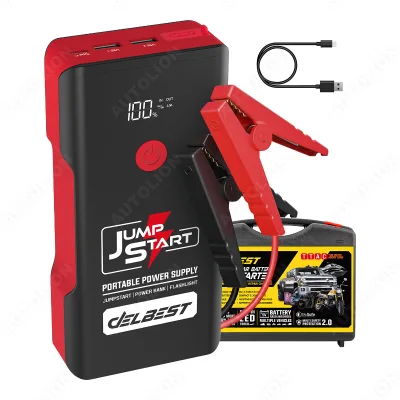
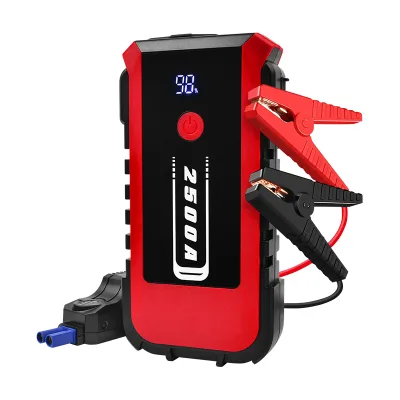
Compare 30 jump starter cylindrical battery options featuring high discharge rates and LED torch functions. Buyers can evaluate specifications like 12V nominal voltage, 200A start power, and certifications including CE and RoHS for vehicle emergency starting applications.
Key considerations
Products List




Comprehensive Sourcing Guide
Jump Starter Cylindrical Battery Sourcing Guide
The market for jump starter cylindrical batteries presents a distinct category of portable power solutions designed primarily for vehicle emergency starting and auxiliary device charging. Based on observed listings, these units typically integrate high-discharge lithium-ion or lead-acid chemistry to deliver immediate peak power, with specific models demonstrating start capabilities ranging from 200A to 400A. Buyers must recognize that while the form factor is often cylindrical or compact rectangular, the internal architecture prioritizes rapid energy delivery over long-term storage capacity, distinguishing these units from standard consumer power banks.
Procurement decisions for this category require a nuanced understanding of the specific electrical demands of the target vehicle fleet. The observed data indicates a nominal voltage of 12V, which is standard for most passenger vehicles, yet the discharge rates and peak amperage vary significantly between models. Sourcing strategies should focus on verifying the actual output current and engine start capabilities, as some listings show outputs as low as 50A while others support up to 400A, directly impacting the unit's ability to crank larger engines or operate in extreme cold conditions.
Product Scope and Observed Listing Signals
When evaluating product listings, buyers should look for specific signals regarding the battery chemistry and intended application, as the data reveals a mix of lithium-ion and lead-acid types within the same search results. Some entries explicitly identify the battery type as Lithium-Ion with a rated capacity exceeding 1000mAh, while others list Lead-acid, necessitating a clear verification of the internal cell technology before placing an order. This distinction is critical because lithium-ion packs generally offer a higher energy density and lighter weight, often around 1.1 lbs, whereas lead-acid alternatives may be heavier and less efficient in low-temperature environments.
The physical specifications and packaging formats observed in the market provide further insight into the product's intended distribution channel and durability. Listings frequently cite dimensions such as 1676526.5mm or 17x12x10cm, with packaging ranging from individual blister cards to standard cartons containing ten sets. Buyers must correlate these physical attributes with their logistical requirements, noting that some models include specific accessories like 3-foot cables or rapid chargers, while others are sold as bare units. The presence of features like LED torches and the ability to charge other devices suggests a dual-purpose design that adds value for end-users but requires careful inspection of the input voltage range, typically 11V to 13.8V.
Technical Specifications to Verify
The most critical technical parameter to verify is the peak power and start current, as these figures determine the unit's reliability in emergency scenarios. Observed data points to a wide variance in performance, with some units rated for a start power of 200A and peak power of 400A, while others list an output engine start of only 50A. Procurement teams must demand test data or verified specifications for the specific model number, such as BB-JS124000 or TE4-0221, to ensure the unit can handle the cranking amps required by the heaviest vehicles in the buyer's fleet. Relying on general category descriptions without confirming the specific model's amperage rating can lead to procurement failures in critical situations.
Efficiency and environmental operating ranges are equally vital for ensuring the product performs consistently across different climates and usage cycles. Buyers should verify the ambient temperature tolerance, as some listings specify an operating range of -10 to 40 degrees Celsius, which is essential for winter operations. Additionally, the efficiency rating, with some models claiming greater than 75% efficiency, and the housing protection level, such as IP65, must be confirmed to ensure the device can withstand dust, water, and rough handling. The rechargeable nature of these units and the specific input current of 6A also require validation to ensure compatibility with the buyer's existing charging infrastructure.
Compliance and Safety Documentation
Safety certifications are non-negotiable for jump starter batteries due to the high currents involved and the potential risks associated with lithium-ion chemistry. The observed market data consistently highlights certifications such as CE, RoHS, and UN38.3, which are essential for international shipping and regulatory compliance. UN38.3 is particularly critical as it validates the battery's safety during transportation, covering tests for altitude simulation, thermal cycling, and vibration. Buyers must ensure that the specific supplier provides valid certificates for these standards, as the presence of a CE mark alone does not guarantee compliance with the rigorous safety testing required for high-discharge lithium batteries.
Beyond transportation safety, electrical safety and environmental compliance must be verified through the provided documentation. Listings often reference ISO9001, FCC, and RoHS compliance, indicating adherence to quality management systems and restrictions on hazardous substances. However, inconsistencies in the data, such as varying lists of certifications for different model numbers, require a strict audit of the supplier's documentation. Buyers should request the full test reports associated with the CE and RoHS claims to confirm that the specific batch of batteries meets the declared standards, rather than accepting a generic certification statement that may not apply to the exact product configuration being purchased.
Cost Drivers and Commercial Terms
The price range for jump starter cylindrical batteries is highly variable, with observed listings spanning from 1 to 279 USD, driven primarily by the internal battery chemistry and peak power output. Units with higher amperage ratings, such as those capable of 400A peak power, naturally command a higher price point compared to lower-output models, while the inclusion of additional features like rapid chargers or LED torches also influences the final cost. Buyers should analyze the cost per unit of performance, rather than just the sticker price, to determine the true value proposition, ensuring that the selected model meets the minimum power requirements without overpaying for unnecessary features.
Minimum Order Quantities (MOQ) and packaging configurations significantly impact the total cost of ownership and inventory management strategy. The observed MOQ range spans from 1 to 500 units, offering flexibility for small buyers but potentially limiting bulk discounts for larger procurement volumes. Packaging details, such as 1 piece per box or 10 sets per carton, affect shipping costs and storage efficiency, requiring buyers to calculate the landed cost per unit including freight. Additionally, warranty terms, with some listings offering a 1-year warranty, should be factored into the commercial negotiation, as a longer warranty period can reduce long-term replacement costs and mitigate the risk of early failure.
Supplier Qualification and Quality Control
Supplier qualification for this category requires a deep dive into the manufacturing origin and production standards, as the data indicates a concentration of production in Shenzhen and other regions in China. Buyers should verify the supplier's ability to maintain consistent quality across different model numbers, such as the TE4 series or Gl996, by requesting evidence of their production capacity and quality control processes. The presence of ISO9001 certification is a positive indicator, but it must be supported by a robust internal QC protocol that includes testing for discharge rates, voltage stability, and safety compliance before shipment.
Quality control checks must extend beyond the initial production run to include pre-shipment inspections and post-delivery validation. Given the variance in observed specifications, such as different dimensions and battery types, buyers should implement a sampling plan that tests the actual output current and peak power of a random selection of units from the shipment. It is essential to verify that the physical dimensions and weight match the product description, as discrepancies can indicate substandard components or incorrect assembly. Furthermore, checking the packaging integrity and the inclusion of all accessories, such as cables and chargers, ensures that the final product meets the agreed-upon specifications.
Long-Term Procurement Checks
Sustaining a successful procurement relationship for jump starter batteries requires ongoing monitoring of product performance and supplier reliability over time. Buyers should establish a feedback loop to track any field failures or performance degradation, particularly regarding the battery's ability to hold a charge and deliver peak power after extended periods of storage. The rechargeable nature of these units means that cycle life and self-discharge rates are critical long-term metrics that must be monitored to ensure the inventory remains viable for emergency use. Regular audits of the supplier's quality records and certification renewals help maintain confidence in the product's safety and compliance status.
Future procurement strategies should also account for potential changes in technology and regulatory requirements that could impact the product lifecycle. As the market evolves, new standards for lithium-ion batteries or changes in transportation regulations may necessitate updates to the product specifications. Buyers should maintain a relationship with suppliers who demonstrate adaptability and a commitment to continuous improvement, ensuring that the supply chain can accommodate new model numbers or enhanced features without disrupting operations. By staying informed about industry trends and maintaining strict quality control, buyers can secure a reliable supply of high-performance jump starter batteries for their long-term needs.
FAQs
What is the peak power output of this jump starter battery?
The peak power output is 400A, providing sufficient surge current for vehicle emergency starting. This high discharge rate ensures reliable ignition even in cold conditions. The nominal voltage is 12V, making it compatible with standard automotive systems. It also features a 200A start power for sustained performance during cranking.
Can this device charge other electronic devices while jump starting?
Yes, it includes functions to charge any of your devices. The unit offers multiple output options, including 2A and 10A output currents. This versatility allows you to power smartphones, tablets, or other USB-compatible gadgets. It serves as both a vehicle emergency starting power source and a portable power bank.
What certifications does the lithium-ion battery pack hold?
The battery pack holds CE, RoHS, and UN38.3 certifications. These standards ensure safety and compliance for lithium-ion battery transport and usage. Some models also feature ISO9001 or FCC certifications. These credentials verify the product meets international quality and safety requirements for electronic devices and automotive accessories.
What are the physical dimensions and weight of the unit?
The standard dimension is 167*65*26.5mm, classified as medium size. The weight is approximately 1.1 Lb, ensuring portability. Some variants measure 17x12x10cm or 27.5x26.1x14.5cm depending on the model. The compact design fits easily in vehicle trunks or toolboxes for emergency access.
Is the battery rechargeable and what is the input voltage?
Yes, the lithium-ion battery pack is fully rechargeable. The input voltage range is 11V to 13.8V, compatible with standard vehicle charging systems. It supports rapid charging for quick turnaround. The rated capacity exceeds 1000mAh, ensuring sufficient energy storage for multiple jump-start cycles and device charging sessions.
Where is this jump starter battery manufactured?
The product originates from Shenzhen, China. Manufacturing facilities in this region are known for advanced electronics production. The items are packed in standard carton packages or color boxes. Each unit is individually boxed, ensuring protection during shipping and storage for B2B buyers and distributors.